




Winning International Markets: The 3 Pillars of B2B eCommerce Localization
Expanding your B2B eCommerce operations into international markets is one of the fastest ways to scale, but it requires more than just translating your catalog and updating currency symbols. To truly “win” a local market, your digital channel must align with the specific operational realities of how that region does business.
Success typically relies on getting three core pillars right: Transactional Capability, Data Clarity, and Workflow Adaptability. This guide breaks down these pillars to help you move beyond simple translation and build a robust strategy that drives revenue in every region you serve.
Why “Translation” Is Not Enough for B2B
In the B2C world, localization is often synonymous with translating the interface and adjusting the price. In B2B, however, your target audience isn’t just an “online shopper”; they are professional buyers dealing with:
- Contractual obligations regarding pricing and credit.
- Regulatory requirements for shipping and compliance.
- Complex buying processes involving multiple stakeholders.
When you localize a B2B site, you aren’t just changing the language; you are adapting the entire commercial operation. To succeed, you must benchmark your digital store against a local standard: “How would a fully competent local distributor run this branch? “
To achieve that standard, you must address the three pillars of localization.
Pillar 1: Transactional Capability (The Foundation)
The most immediate failure mode in global expansion is when a buyer technically cannot complete a purchase with confidence. This often stems from platform integration gaps where the backend isn’t configured for cross-border commerce.
If the transactional layer is broken, your “localized” site is effectively just a catalog. Buyers will browse online but revert to phone or email to place orders because they don’t trust the checkout.
Key Requirements for Transactional Success:
- Local Currencies & Taxes: Prices must reflect local contract terms, not just a currency conversion. The tax engine must handle local VAT, GST, or sales tax rules automatically.
- Landed Cost Transparency: Duties, shipping fees, and surcharges must be calculated dynamically so buyers aren’t surprised by hidden costs.
- Payment Methods: You must offer the methods buyers actually use (e.g., SEPA in Europe, Boleto in Brazil, PayPay in Japan, MoMo or Bank Transfer in Vietnam, or credit terms for established accounts).
- Logistics Alignment: Delivery options must reflect local carrier operations and lead times.
Pillar 2: Data Clarity (The Content)
Once the transaction capability is secured, the next hurdle is clarity. If a buyer in Italy has to copy a SKU into WhatsApp to ask a technician if it’s the right part, your content localization has failed.
This is a data structure issue, not just a wording issue. A robust Product Information Management (PIM) strategy is essential here, allowing you to serve specific attributes and documents per market.
Key Requirements for Data Clarity:
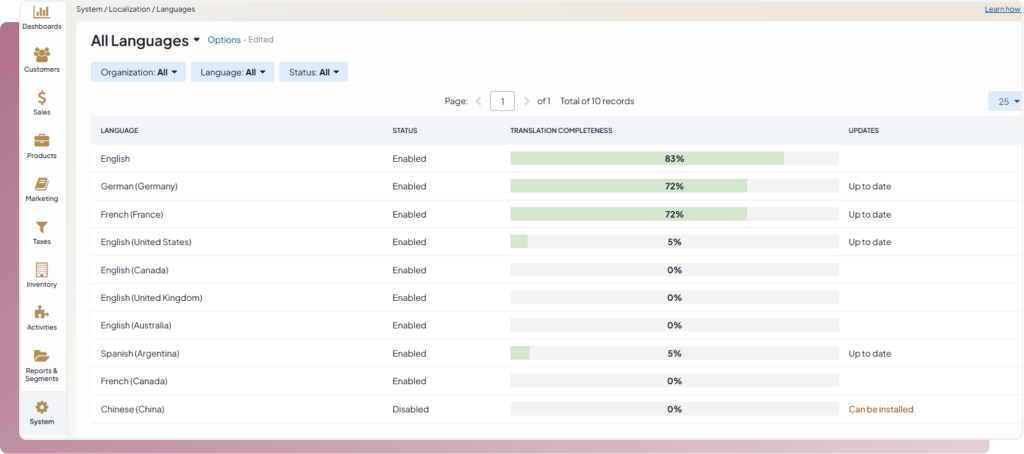
- Complete Translation: Avoid the “half-translated” trap where navigation is local but product specs remain in English.
- Localized Metrics: Ensure units of measure (imperial vs. metric) and pack sizes match local industry standards.
- Regulatory Documentation: Automatically attach the correct Safety Data Sheets (SDS), manuals, and certificates required by local law.
Pillar 3: Workflow Adaptability (The Process)
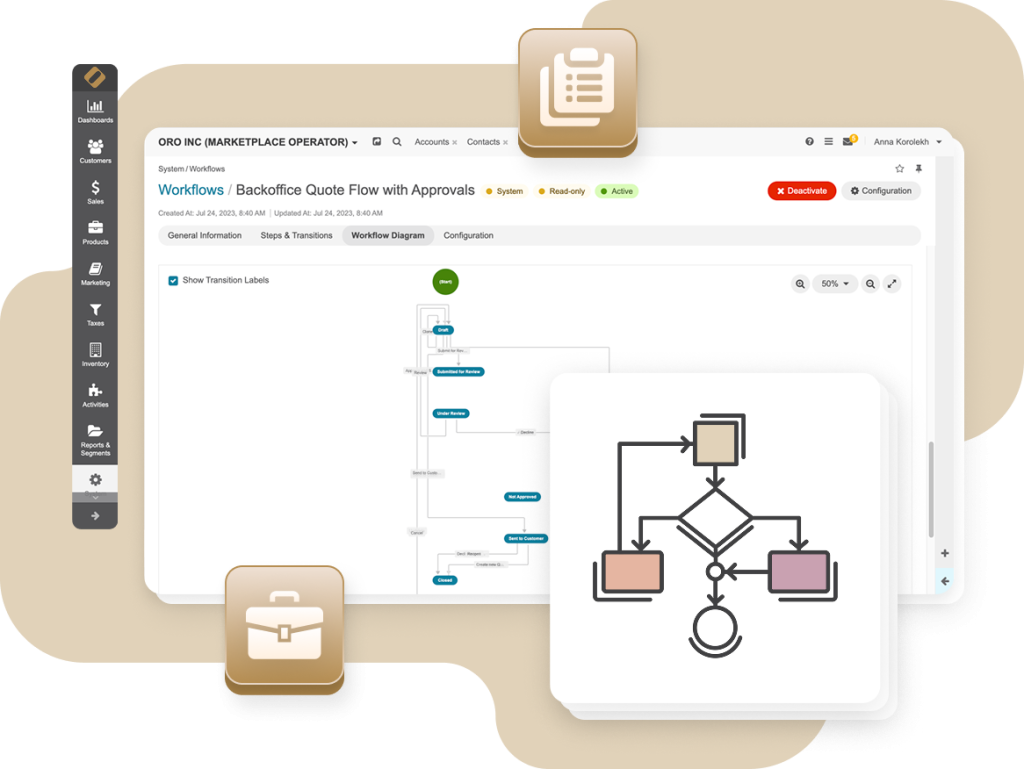
The most subtle failure occurs when the digital customer journey contradicts the offline reality. If a region operates on quote-first negotiations, an “Instant Checkout” button feels foreign and risky. If a market relies on decentralized branches, a “single user” account model won’t work.
Key Requirements for Workflow Adaptability:
- Flexible Account Hierarchies: Model the buying groups, dealers, and branches as they exist in that specific region.
- Regional Approval Chains: Replicate the necessary budget sign-offs and delegated purchasing permissions standard in that market.
- Compliance Steps: Integrate necessary export controls or environmental declarations directly into the checkout flow so they aren’t handled via email.
The Architecture of a Global-Ready Platform
The difference between a successful global rollout and a stalled one often lies in the technology stack. A platform that treats international markets as a single “global blob” will force you to use one currency model, one tax template, and one checkout flow for everyone.
To succeed, your B2B eCommerce platform must allow you to define regions (e.g., “France” vs. “US”) as distinct commercial setups on a shared backbone.
This “Multi-Org” capability allows for:
- Shared Core: One master catalog and one set of integrations (ERP, CRM) to maintain operational efficiency.
- Localized Front-Ends: Distinct websites or portals for each region where you can toggle specific payments, languages, and workflows without affecting other markets.
Real-World Examples of the 3 Pillars in Action
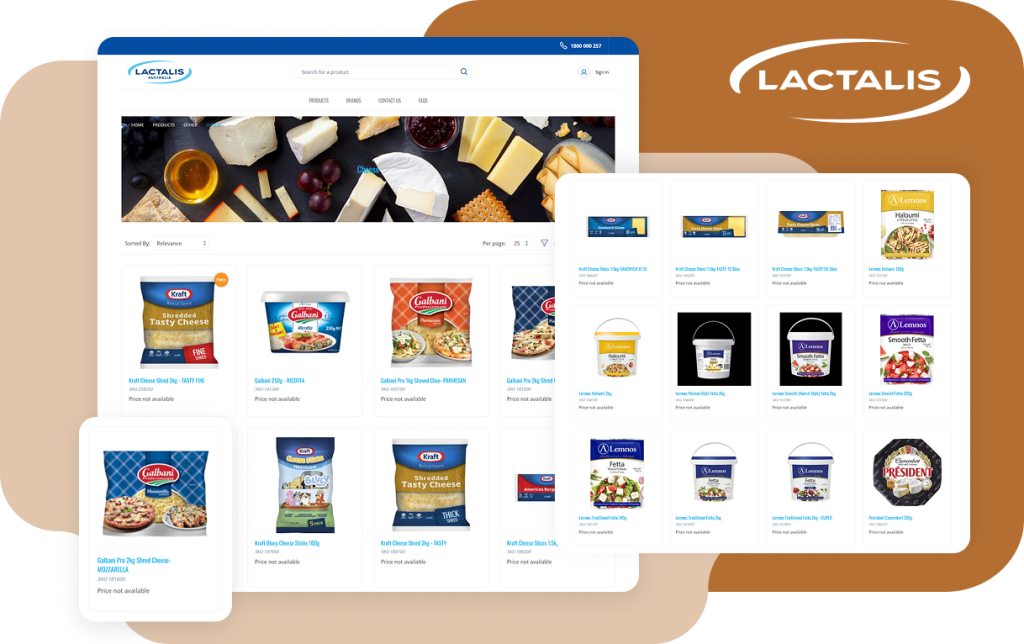
Lactalis: 12 Markets, One Instance Lactalis manages a multi-brand B2B portal across a dozen international markets. Rather than translating a generic template, they worked backward from local needs (Pillar 3). French buyers see navigation and terminology specific to their dairy market, while US buyers encounter different pack sizes and payment terms. Under the hood, a single instance powers the entire operation.
Azelis: 100+ Portals for Regulatory Complexity Operating in over 50 countries, Azelis faces intense regulatory variation (Pillar 2). A single global template would fail to meet local compliance needs. Instead, they run 100+ configured portals on one backend. Each portal supports specific languages, localized content, and regulatory documents tailored to that region’s chemical industry standards.
Conclusion: Making the Digital Channel “Native”
Localization works when the digital channel earns its place in the daily operations of the buyer. If a customer moves through the site without questioning the pricing, the terminology, or the process, the channel has succeeded.
By focusing on these three pillars: Transaction, Data, and Workflow, and utilizing platforms structured for multi-org complexity, organizations can build a foundation that is globally scalable yet locally native.
Ready to Localize Your B2B Strategy?
Global expansion shouldn’t mean global headaches. If your current platform is forcing you to choose between scalability and local relevance, it’s time for a change. OroCommerce is built from the ground up to handle complex multi-org, multi-region structures on a single instance.
Contact ekino Vietnam to request a personalized demo and see how we can help you master the three pillars of localization today.